
The Future of Web3 Gaming and Digital Asset Ownership
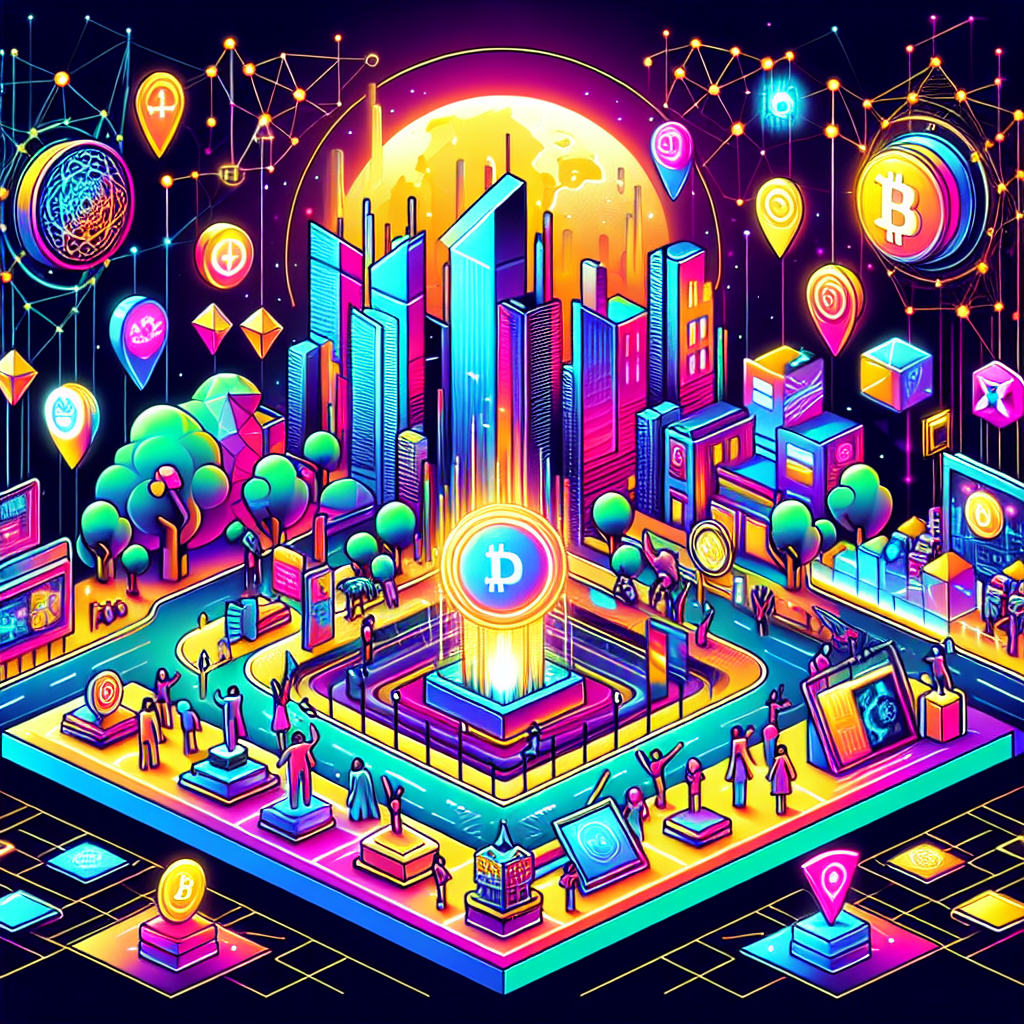
The digital landscape is rapidly evolving, and with it, the gaming industry is undergoing a monumental transformation. Welcome to the era of Web3 gaming, where players are no longer mere participants but active stakeholders in their gaming experiences. This shift signifies a departure from traditional gaming models, paving the way for **digital asset ownership** that empowers players like never before. In this comprehensive guide, we’ll delve deep into the future of Web3 gaming and explore the implications of digital asset ownership. From decentralized platforms to play-to-earn models, we’ll cover everything you need to know about this innovative frontier.
What is Web3 Gaming?
At its core, **Web3 gaming** refers to games that utilize blockchain technology to create a decentralized and user-owned gaming ecosystem. Unlike conventional gaming, where companies control everything from game mechanics to in-game assets, Web3 games allow players to truly own their assets. This means you can buy, sell, or trade your items on various marketplaces, creating a vibrant economy around gaming.
Imagine a world where every sword, skin, or character you earn in a game is yours, and you can take it with you from one game to another. This new model not only empowers players but also fosters community engagement. The more players invest in their gaming experience, the more value they create for themselves and others. It’s a shift from passive entertainment to active participation, making the future of Web3 gaming incredibly exciting.
The Role of Blockchain in Gaming
Blockchain serves as the backbone of Web3 gaming, offering transparency, security, and decentralization. Every transaction in a game is recorded on the blockchain, ensuring that ownership is verifiable and tamper-proof. This level of security is crucial in a digital world where fraud and scams can occur, making players feel safer about their investments.
Digital Asset Ownership: A Game Changer
**Digital asset ownership** in Web3 gaming represents a significant shift in how players interact with games. Traditionally, players would invest time and money into games, only to find that they couldn’t transfer their assets or retain any value once they stopped playing. With the advent of blockchain technology, players can now own their in-game items as non-fungible tokens (NFTs). These unique digital assets can be bought, sold, or traded on various platforms, giving them real-world value.
This change not only enhances the gaming experience but also creates new opportunities for players to monetize their skills and time. Imagine being able to earn a living by playing games you love. This isn’t just a pipe dream; it’s becoming a reality for many gamers around the world. Digital asset ownership empowers players to make choices about how they want to engage with their favorite games, fostering a sense of agency that was previously unheard of.
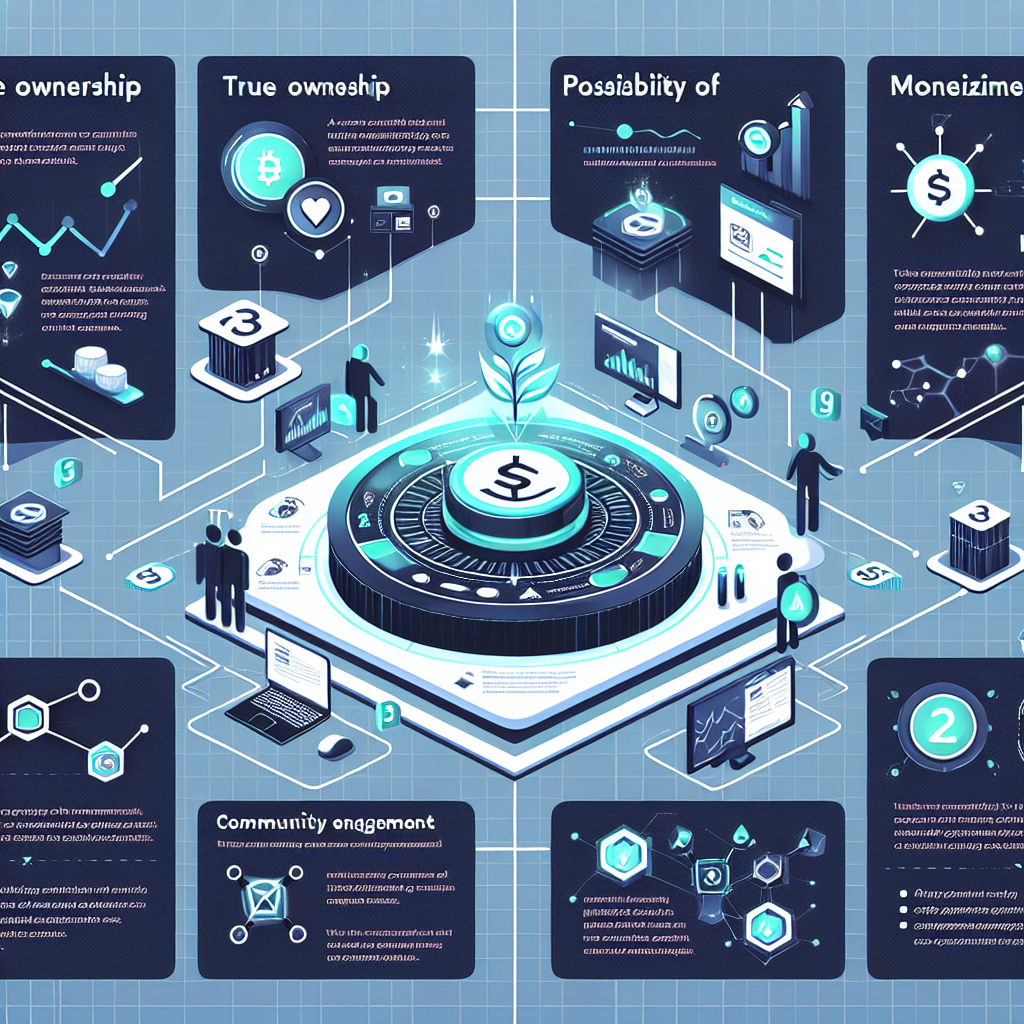
Benefits of Digital Asset Ownership
- True Ownership: Players own their assets, not the game developers.
- Monetization Opportunities: Players can sell or trade their assets for real money.
- Interoperability: Assets can potentially be used across different games.
- Community Engagement: Players become part of a thriving economy.
The Emergence of Play-to-Earn Models
One of the most exciting developments in the realm of Web3 gaming is the emergence of **play-to-earn** models. These games allow players to earn rewards, often in the form of cryptocurrency or NFTs, simply by playing. This concept revolutionizes the gaming industry, transforming it from a leisure activity into a viable income source.
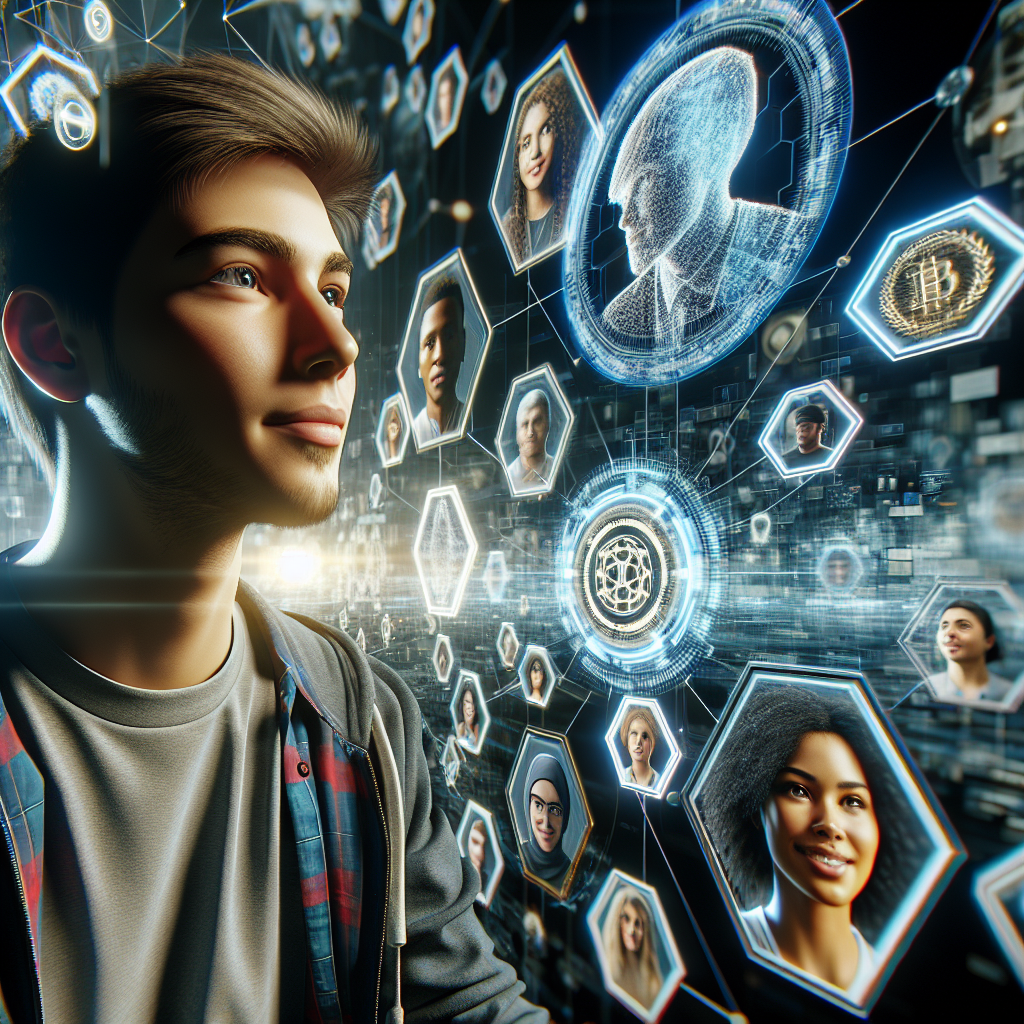
Take **Axie Infinity**, for instance. Players earn tokens by breeding, battling, and trading Axies, virtual creatures they own as NFTs. Some players are making substantial incomes, allowing them to support themselves or their families. The play-to-earn model not only incentivizes gameplay but also fosters a sense of community as players collaborate and share strategies to maximize their earnings. Ultimate Review: NVIDIA GeForce RTX 5090 vs. AMD Radeon RX 8000 Series
Challenges in Play-to-Earn Models
While the play-to-earn model is revolutionary, it’s not without its challenges. Issues such as market volatility, regulatory scrutiny, and the sustainability of game economies can pose significant hurdles. Developers must ensure that the in-game economy is balanced and rewarding without leading to inflation. If not managed properly, a game could become unplayable due to skyrocketing costs or diminishing returns.
The Role of Decentralized Autonomous Organizations (DAOs)
Decentralized Autonomous Organizations (DAOs) play an essential role in the governance of Web3 games. DAOs allow players to participate in decision-making processes, giving them a voice in how a game evolves. Players can vote on new features, game mechanics, and even financial decisions regarding the game’s economy.
This democratization of gaming not only empowers players but also fosters a strong sense of community. When players feel their opinions matter, they’re more likely to invest time and resources into a game. DAOs represent a paradigm shift from corporate-controlled gaming to player-led governance, setting the stage for a more inclusive gaming future.
Examples of Successful DAOs in Gaming
One notable example is **Yield Guild Games**, which allows players to invest in NFT assets collectively and earn rewards through gameplay. This model not only democratizes asset ownership but also creates a community of players working together for mutual benefit.
Future Trends in Web3 Gaming
The future of Web3 gaming is bright and full of possibilities. As technology continues to advance, we can expect several trends to shape this landscape. One significant trend is the rise of cross-chain interoperability, allowing players to use their assets across different blockchain networks. This means you won’t be limited to a single game or platform, enhancing the flexibility and utility of your digital assets.
Another trend is the integration of virtual reality (VR) and augmented reality (AR) in gaming experiences. As these technologies become more accessible, they’ll allow players to immerse themselves in their favorite worlds like never before. Imagine fighting dragons in your living room or exploring fantastical realms with friends, all while owning the assets you earn along the way. The combination of VR, AR, and blockchain will create unparalleled gaming experiences that feel more real than ever.
Predictions for the Future of Digital Asset Ownership
As digital asset ownership continues to grow, we can expect more regulatory clarity and mainstream adoption. Major gaming companies will likely explore blockchain technology, and we may see traditional games incorporating play-to-earn mechanics. This shift will bring more players into the Web3 gaming sphere, fostering a diverse and inclusive community. Top 5 Gaming Chairs: Ergonomics, Features, and Price Comparison
Conclusion
The future of Web3 gaming and digital asset ownership is not just a trend; it’s a revolution. As players become owners and active participants in the gaming ecosystem, the way we think about play and investment will change forever. The blend of blockchain technology, play-to-earn models, and community governance through DAOs is creating an environment where players can thrive. Whether you’re a casual gamer or a hardcore enthusiast, understanding these concepts is essential for navigating the evolving digital landscape. So, gear up and get ready for a gaming experience that’s not just about playing but also about owning and shaping the future!
FAQs
What is Web3 gaming?
Web3 gaming refers to games utilizing blockchain technology, allowing players to own their assets as NFTs and participate in decentralized economies.
How does digital asset ownership work?
Digital asset ownership allows players to truly own their in-game items, which can be traded or sold on various platforms, providing real-world value.
What are play-to-earn models?
Play-to-earn models enable players to earn rewards, often in cryptocurrency, simply by playing games, turning gaming into a potential income source.
What is a DAO in gaming?
A DAO is a Decentralized Autonomous Organization that allows players to participate in decision-making, fostering community governance and engagement.
What are the future trends in Web3 gaming?
Future trends include cross-chain interoperability, integration of VR/AR technologies, and mainstream adoption of blockchain gaming by major companies.