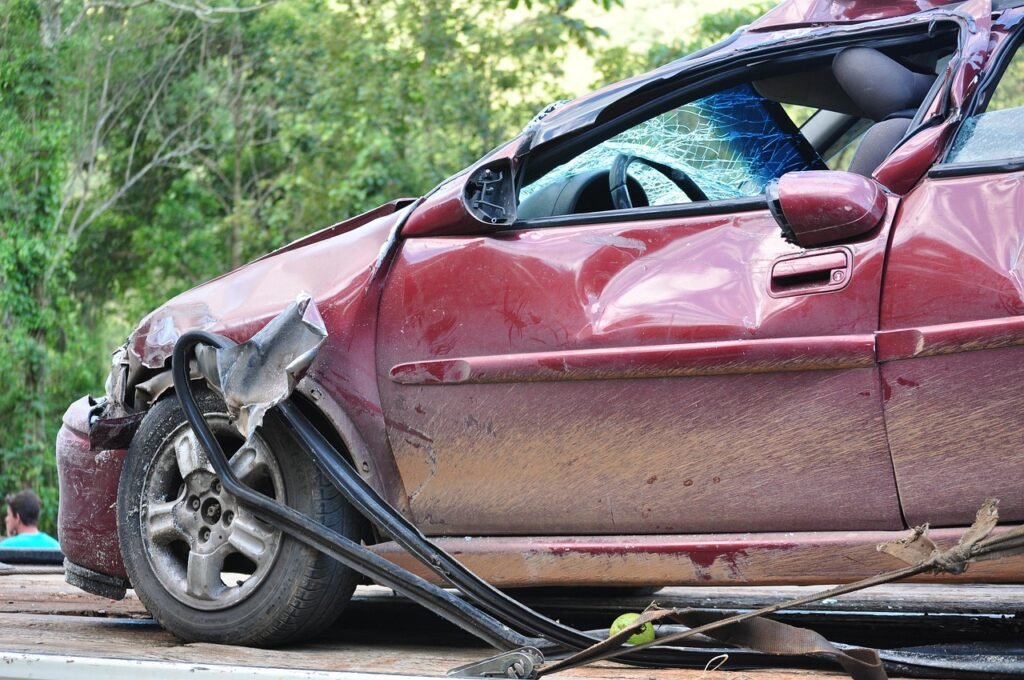

Introduction: Why You Need to Compare Vehicle Insurance
Finding the right vehicle insurance can feel like navigating a maze. With so many options available, how do you know you’re getting the best deal? It’s essential to compare vehicle insurance policies to ensure you’re not just saving money but also getting adequate coverage for your needs. Think of it like shopping for groceries—you wouldn’t buy the first item you see without checking prices at different stores, right?
In the world of vehicle insurance, comparison shopping can unlock significant savings and provide peace of mind. This guide will walk you through everything you need to know about comparing vehicle insurance, from understanding different types of coverage to tips on finding the best quotes. Whether you’re a new driver or looking to switch your existing policy, this comprehensive article is designed to empower you.
Understanding the Basics of Vehicle Insurance
Before diving into the comparison process, it’s crucial to grasp the fundamentals of vehicle insurance. At its core, vehicle insurance is a contract between you and an insurance provider. In exchange for premium payments, your insurer agrees to cover certain financial losses in the event of an accident, theft, or damage. But not all policies are created equal, and understanding the terminology is key.
There are various types of coverage to consider when you compare vehicle insurance, including:
- Liability Coverage: This is mandatory in most states and helps cover costs if you’re at fault in an accident, including medical bills and property damage.
- Collision Coverage: This protects your vehicle against damage from collisions, regardless of fault.
- Comprehensive Coverage: This covers damages from non-collision incidents like theft, vandalism, or natural disasters.
- Uninsured/Underinsured Motorist Coverage: This provides protection if you’re in an accident with someone who doesn’t have enough insurance.
These basic types of coverage can vary significantly in cost and terms, which is why it’s essential to compare vehicle insurance options thoroughly.
How to Start Comparing Vehicle Insurance Quotes
So, you’re ready to compare vehicle insurance, but where do you start? The process can be straightforward if you approach it step by step. First, gather essential information about your vehicle, including its make, model, year, and vehicle identification number (VIN). This data will help insurers provide accurate quotes.
Next, assess your coverage needs. Think about factors such as your driving habits, the value of your vehicle, and whether you plan to use your car for personal or business purposes. Once you have this information, you can get quotes from various providers. Here’s how:
- Visit insurance comparison websites to input your information and receive multiple quotes.
- Contact individual insurance companies directly for personalized quotes.
- Consider speaking with an insurance agent who can provide tailored options.
Remember, when you compare vehicle insurance quotes, look beyond the price. Consider the coverage limits, deductibles, and any additional benefits offered by each policy.
Factors That Affect Vehicle Insurance Rates
Understanding what influences your insurance rates can help you make more informed decisions when you compare vehicle insurance. Several factors come into play, and they can be broadly categorized into personal and vehicle-related factors.
Personal Factors: These include your age, gender, driving history, and credit score. For instance, younger drivers or those with a history of accidents typically face higher premiums. Conversely, maintaining a good credit score can often lead to lower rates. Credit Line for Businesses: Unlocking Financial Flexibility and Growth

Vehicle-Related Factors: The type of vehicle you drive significantly impacts your insurance cost. Luxury cars or vehicles with high theft rates generally incur higher premiums. Insurance companies also consider safety ratings and repair costs. For example, if your car is known for its safety features, you might receive a discount.
It’s beneficial to keep these factors in mind as you compare vehicle insurance. Some insurers might weigh certain factors more heavily than others, leading to varying quotes.
Discounts to Look For When Comparing Vehicle Insurance
When you’re comparing vehicle insurance, be sure to ask about discounts. Many insurers offer various discounts that can significantly lower your premium. Here are some common ones:
- Multi-Policy Discount: Bundling your auto insurance with home or renters insurance can save you money.
- Good Driver Discount: If you have a clean driving record, many insurers reward you with lower rates.
- Low Mileage Discount: Driving less than a certain number of miles per year may qualify you for a discount.
- Student Discount: Many insurers offer discounts for students maintaining a certain GPA.
Don’t hesitate to ask each insurer about available discounts when you compare vehicle insurance. It could make a significant difference in your final premium.
Understanding Policy Terms and Conditions
As you compare vehicle insurance, understanding the policy terms and conditions is crucial. Every policy includes various clauses that dictate what’s covered and what’s not. Take the time to read the fine print before making a decision.
Key terms to look for include:
- Deductible: This is the amount you’ll need to pay out of pocket before your insurance kicks in. Policies with lower deductibles typically have higher premiums.
- Coverage Limits: This is the maximum amount your insurer will pay for a covered claim. Make sure these limits meet your needs.
- Exclusions: These are specific situations where your insurance won’t cover damages. Knowing these can help you avoid surprises later on.
Being well-informed about these terms can help you choose a policy that’s truly right for you.
How to Evaluate Customer Service and Claims Process
Customer service is often an overlooked aspect when comparing vehicle insurance. A great policy at a low price means little if the customer service is lacking. Research the insurer’s reputation by reading reviews and asking friends or family about their experiences.
Additionally, consider the claims process. When you need to file a claim, you want the procedure to be as smooth as possible. Look for insurers that offer:
- 24/7 claims support.
- Multiple ways to file a claim (online, phone, app).
- Quick response times.
By evaluating customer service and the claims process, you can ensure you’ll have support when it matters most. Understanding Company Credit Line: A Comprehensive Guide for Businesses

Finalizing Your Choice: Making the Right Decision
After completing your research and comparing multiple vehicle insurance options, it’s time to make a decision. Review all the information you’ve gathered, focusing on coverage, price, and customer service. It might be helpful to create a comparison table to visualize the differences clearly.
Once you’ve settled on a policy, double-check the details before signing. Ensure that everything aligns with what you discussed and that there are no hidden fees or surprises. Remember, the goal is to protect yourself and your vehicle while also saving money.
Conclusion: Take Control of Your Vehicle Insurance
In today’s fast-paced world, comparing vehicle insurance doesn’t have to be overwhelming. By taking the time to understand your options, evaluating quotes, and considering essential factors like discounts and customer service, you can find a policy that fits your needs and budget.
The right insurance can save you money and provide peace of mind, knowing you’re covered in case of an accident. So, roll up your sleeves, do the necessary research, and take control of your vehicle insurance today!
FAQs
1. What is the best way to compare vehicle insurance?
The best way is to gather quotes from multiple providers and evaluate their coverage options, prices, and customer service.
2. How often should I compare vehicle insurance?
It’s wise to compare your vehicle insurance every year or whenever you experience significant life changes, like moving or buying a new car.
3. Can I get discounts for safe driving?
Yes! Many insurers offer discounts for maintaining a clean driving record and completing safe driving courses.
4. Is it better to have a higher deductible?
A higher deductible usually means lower premiums. However, ensure you can afford the deductible in case of a claim.
5. What should I do if I have a poor driving record?
Consider taking a defensive driving course to improve your driving skills and potentially lower your premium.