

Introduction
In today’s fast-paced business environment, having access to financial resources can be the difference between thriving and merely surviving. A credit line for businesses is a powerful tool that provides companies with the flexibility they need to manage cash flow, invest in opportunities, and navigate unexpected expenses. Unlike traditional loans, a credit line allows businesses to borrow only what they need when they need it, making it a versatile option for various financial situations.
Imagine running out of cash just before a big opportunity knocks on your door, like a chance to buy discounted inventory or invest in a marketing campaign. Having a credit line means you can seize those opportunities without the lengthy process of applying for a traditional loan. In this comprehensive guide, we’ll explore everything you need to know about credit lines for businesses, including how they work, their benefits, and key considerations when applying. Let’s dive in!
What is a Credit Line for Businesses?
A credit line for businesses is a flexible borrowing option offered by financial institutions, allowing businesses to access funds up to a predetermined limit. Think of it like a revolving door of cash: you can withdraw funds, pay them back, and withdraw again as needed. This structure is beneficial for businesses that face fluctuating expenses or seasonal cash flow variations.
Typically, a credit line comes with a set interest rate and repayment terms. The business only pays interest on the amount borrowed, not the entire credit limit. This feature makes credit lines particularly appealing for managing short-term expenses and bridging gaps in cash flow. For example, if a retail business needs to stock up before the holiday season but anticipates slower sales afterward, a credit line can help smooth out their financial needs.
Types of Credit Lines
There are several types of credit lines available for businesses, including:
- Secured Line of Credit: Backed by collateral, such as inventory or real estate, making it less risky for lenders.
- Unsecured Line of Credit: Not backed by collateral, generally comes with higher interest rates due to increased risk.
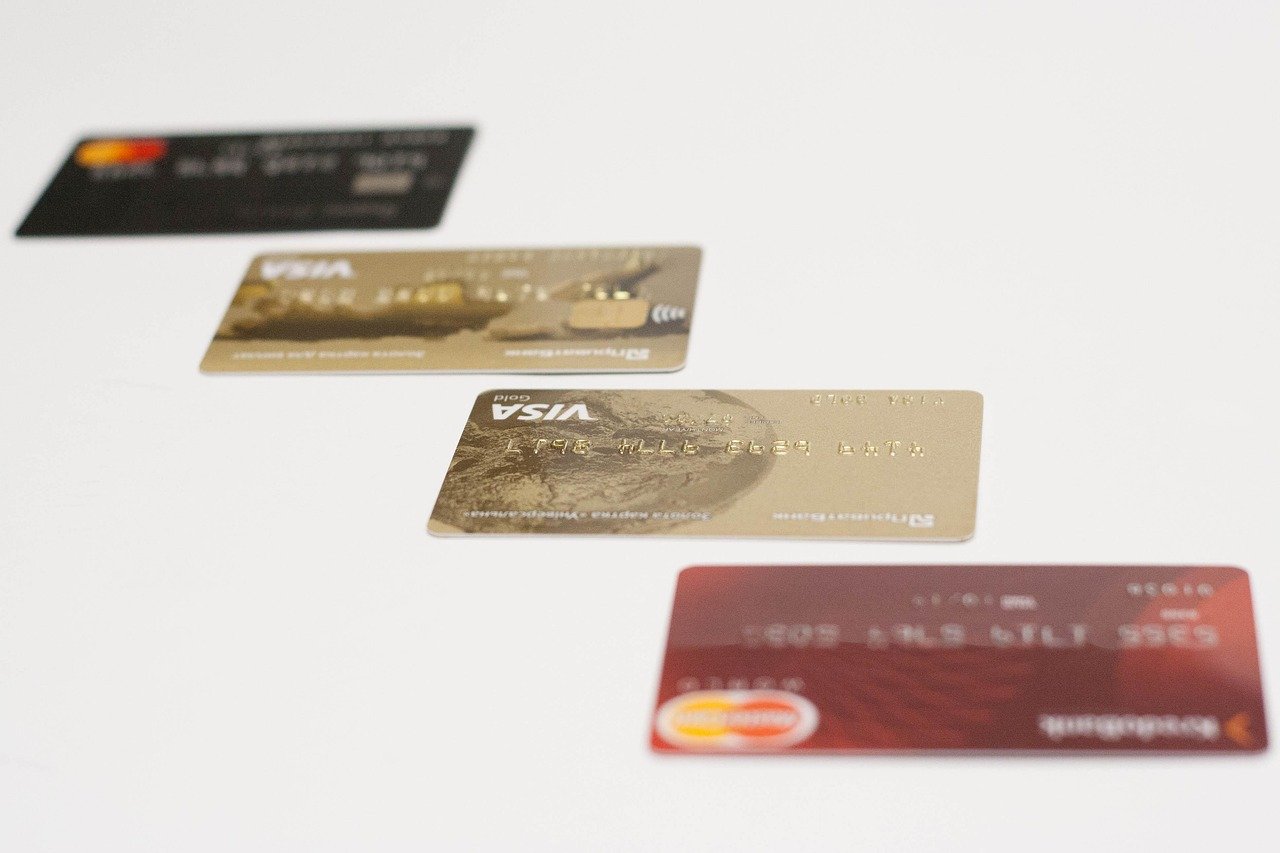
- Business Credit Cards: A convenient form of credit line that provides flexibility and rewards for purchases.
- Home Equity Line of Credit (HELOC): Allows business owners to borrow against their home’s equity for business purposes.
Benefits of a Business Credit Line
Utilizing a credit line for businesses comes with numerous advantages that can significantly enhance a company’s financial management. One of the most notable benefits is the flexibility it offers. Businesses can draw funds whenever they need, and they can return to the credit line as many times as necessary, which is particularly useful for addressing unexpected expenses or seasonal cash flow challenges.
Another important benefit is the interest payment structure. Since businesses only pay interest on the amount borrowed, it allows for cost-effective borrowing. This feature can help businesses manage their finances more efficiently, especially when cash flow is tight. Additionally, a well-managed credit line can improve a company’s credit score, making it easier to secure more significant funding in the future.
How a Credit Line Improves Cash Flow
Cash flow management is crucial for any business. A credit line for businesses can act as a financial cushion, helping to cover operational costs during lean periods. For instance, if a business experiences delayed payments from clients, a credit line can provide the necessary funds to keep operations running smoothly without disrupting service or incurring late fees. Understanding Company Credit Line: A Comprehensive Guide for Businesses
Furthermore, having a credit line can enhance a business’s ability to take advantage of growth opportunities. If a lucrative project arises but requires upfront investment, accessing a credit line can enable a business to act quickly, securing contracts or inventory that could lead to increased profits.
How to Apply for a Business Credit Line
Applying for a credit line for businesses involves several steps that ensure the lender has adequate information to assess the risk of lending. The application process generally requires you to provide financial statements, tax returns, and information about your business’s cash flow and credit history.
Here’s a simple step-by-step process to guide you:
- Assess Your Needs: Determine how much credit you need and why. This will help you choose the right type of credit line.
- Research Lenders: Different institutions offer various terms. Compare interest rates, repayment terms, and fees.
- Gather Documentation: Prepare your financial documents, including bank statements and tax returns.
- Submit Your Application: Fill out the application form accurately and submit it along with the required documentation.
- Review Terms: If approved, carefully review the terms and conditions before accepting the credit line.
Key Factors Lenders Consider
When applying for a business credit line, lenders will evaluate several key factors to determine your eligibility. These include your credit score, business revenue, cash flow, and the overall financial health of your business. A strong credit score can significantly improve your chances of approval and may also lead to better interest rates.
Additionally, lenders will look at your business plan and how well you manage your finances. If you can demonstrate that you have a solid plan for using the funds and repaying the credit line, you’re more likely to secure favorable terms.
Common Misconceptions About Business Credit Lines
Despite their many benefits, there are several misconceptions surrounding credit lines for businesses. One common myth is that they are only for large corporations. In reality, small businesses can also access credit lines, often with favorable terms tailored to their needs.
Another misconception is that applying for a credit line will significantly damage a business’s credit score. While it’s true that lenders will check your credit when you apply, responsible use of a credit line can actually improve your score over time. Keeping your balances low and making timely payments demonstrates financial responsibility, which lenders appreciate. Invoice Factoring California: Unlocking Cash Flow for Your Business
Understanding Costs Associated with Credit Lines
It’s important to be aware of the costs associated with a credit line for businesses. Lenders may charge annual fees, maintenance fees, or transaction fees when you draw from your line of credit. These costs can add up, so it’s crucial to read the fine print before committing. Understanding these details will help you make informed decisions and avoid unexpected expenses.

Moreover, the interest rates can vary widely based on whether the line is secured or unsecured. Generally, secured lines offer lower rates because they represent less risk to the lender. Always calculate how much you’ll be paying in interest to determine if the credit line is a cost-effective solution for your business.
Conclusion
In conclusion, a credit line for businesses can be a game-changer, providing the financial flexibility necessary for growth and stability. By understanding what credit lines are, the benefits they offer, and how to effectively apply, you can position your business for success. With careful management, a business credit line can help you navigate financial challenges and seize opportunities that come your way. If you’re considering a credit line, don’t hesitate to explore your options and find the right fit for your financial needs.
FAQs
1. What is the difference between a credit line and a business loan?
A credit line offers flexible borrowing options, allowing businesses to withdraw and repay as needed, while a business loan typically involves a lump sum paid back over a fixed term.
2. Can startups qualify for a credit line?
Yes, startups can qualify, but they may need to provide personal guarantees or collateral due to their lack of established credit history.
3. How can I improve my chances of getting approved for a credit line?
To improve your chances, maintain a good credit score, provide detailed financial documentation, and demonstrate a solid business plan.
4. Are there any risks associated with using a credit line?
Yes, if not managed properly, businesses can accumulate debt quickly. It’s essential to use credit lines responsibly to avoid financial strain.
5. How do I choose the right lender for a business credit line?
Compare interest rates, fees, and terms from multiple lenders, and consider their reputation and customer service before making a decision.